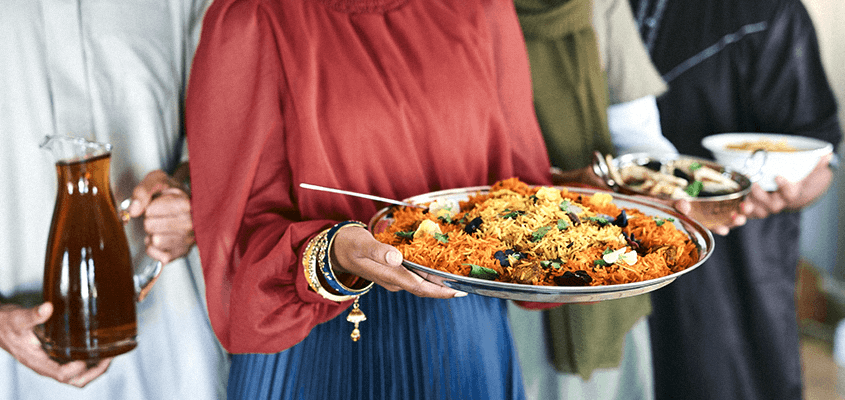

This year, KeepCalling celebrates 24 years of connecting people across borders. Reaching a milestone anniversary is an opportunity to reflect on the journey so far—and it’s something shared by people everywhere. From families to communities and organizations, celebrating milestones around the world reveals how different cultures mark life’s most meaningful moments.
Birthdays: The World’s Most Universal Celebration
Few milestones are celebrated as widely as birthdays.
In many Western countries, birthdays are marked with cakes, candles, gifts, and gatherings of family and friends. Some birthdays carry particular significance, such as turning 18, 21, 30, or 50, often serving as markers of new life stages.
In Latin America, milestone birthdays can be especially meaningful. The quinceañera, celebrated when a girl turns 15, is one of the best-known examples, symbolizing a transition into adulthood and bringing together family and community.
In parts of Asia, birthday traditions often include symbolic foods and customs. In China, longevity noodles are associated with wishes for a long and healthy life, while in South Korea, a child’s first birthday has traditionally been considered an especially important family occasion.
Though customs differ, birthdays share a common purpose: celebrating life, growth, and the people who accompany us along the way.
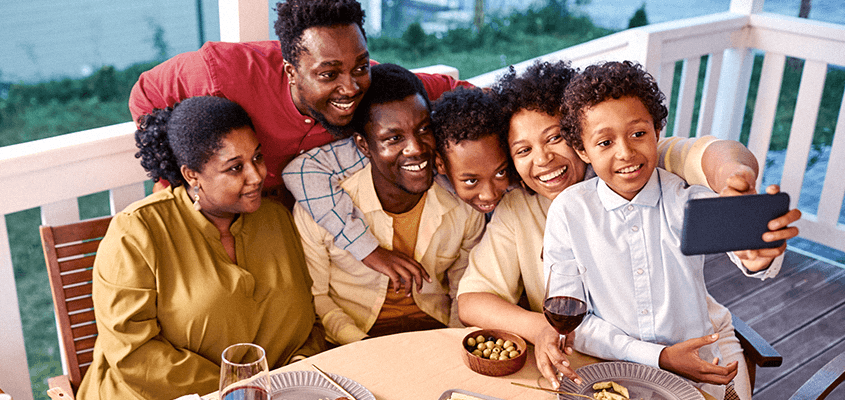
Anniversaries: Honoring Time and Commitment
Anniversaries can commemorate many different events, from weddings and friendships to business achievements and personal milestones.
In Europe, wedding anniversaries are often marked with special dinners, family gatherings, or meaningful gifts. Certain milestone years, such as the 25th and 50th anniversaries, are celebrated with particular significance and often involve larger gatherings.
Companies and organizations also celebrate anniversaries as a way to reflect on their accomplishments and thank the people who contributed to their success. These occasions offer a chance to look back on challenges overcome and goals achieved while looking ahead to the future.
Whether personal or professional, anniversaries remind us that time itself is worth celebrating.
Celebrating Milestones Around the World
Across the globe, milestone celebrations take many unique and fascinating forms. Here are a few examples that show how culture shapes the way people mark important moments.
Mexico: Quinceañera (Coming of Age)
In Mexico and many Latin American countries, the quinceañera is one of the most important milestones in a young girl’s life. Celebrated on her 15th birthday, it marks the transition from childhood to adulthood.
The celebration often includes a religious ceremony, followed by a large family gathering with music, dancing, and symbolic traditions such as the “changing of the shoes,” where flat shoes are replaced with heels to symbolize maturity.
Japan: Kanreki (60th Birthday)
In Japan, the 60th birthday, known as kanreki, is a significant milestone representing a full cycle of the zodiac calendar.
Traditionally, the person wears red clothing—symbolizing rebirth and protection—and is honored by family with a celebratory meal. It is both a personal and family-oriented event that reflects respect for aging and life experience.
China: Longevity Celebrations
In Chinese culture, milestone birthdays for older generations—especially 60, 70, and 80—are important family events.
A common tradition is serving longevity noodles, symbolizing a long and healthy life. Families gather for large banquets where respect for elders is central, and gifts often carry symbolic meaning tied to prosperity and health.
Nigeria: Naming Ceremonies & Family Milestones
In Nigeria, milestones often begin with naming ceremonies, where family and community gather to welcome a newborn. Later milestones like birthdays, weddings, and achievements are typically marked with large celebrations featuring music, dancing, and shared meals. Weddings, in particular, are major multi-day events rooted in family and tradition.
Middle East: Family, Hospitality & Religious Moments
In many Middle Eastern cultures, milestone celebrations are centered on family and hospitality. Weddings are often large and formal gatherings, while birthdays are usually more private. Religious milestones like Eid and Ramadan are especially important, bringing families together for prayer, feasts, and visits. The focus is on togetherness and shared values across generations.
Why These Traditions Matter
These examples show that while milestone celebrations vary widely, they all share common themes: family, gratitude, symbolism, and connection.
Whether it is a birthday, anniversary, or cultural rite of passage, these moments help people reflect on time passed and relationships built.